
Roweson’s HelloTalk Story: The 80-Plus-Page French Guide Her Language Partner Wrote
Published on
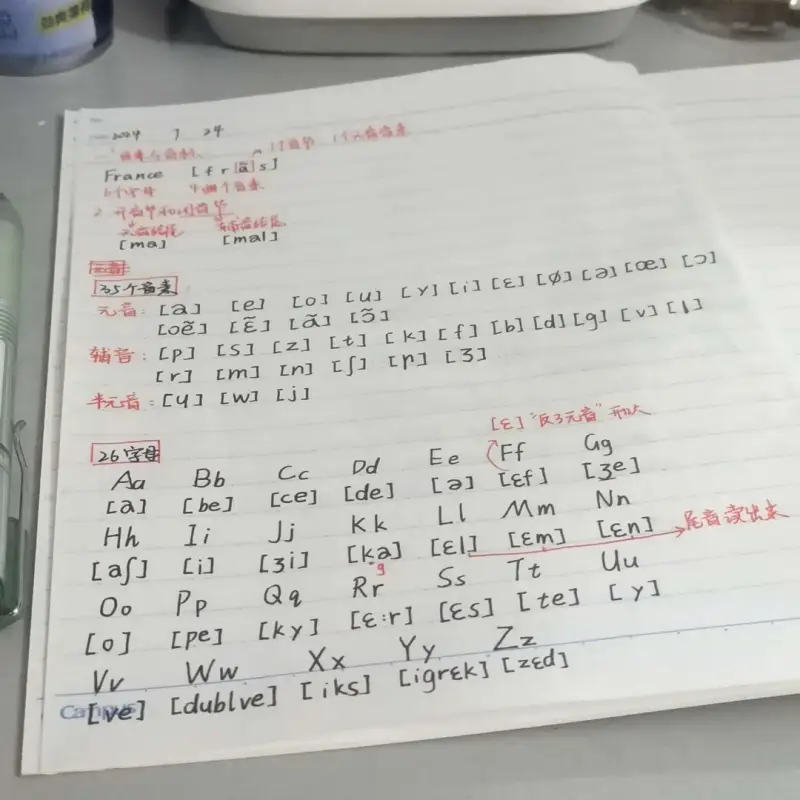
When Roweson opened her messages after military training at school, she found a file from Orman, a friend from Congo she had met through HelloTalk. It was a French study guide he had written for her. She expected something closer to a few notes. The document ran to more than 80 pages, with explanations of verbs and tenses and examples of how to use them in everyday sentences.
Roweson had started using HelloTalk in middle school to practice English. She was nervous about getting words wrong, so she tried using new vocabulary in text conversations first. As she grew more comfortable, she began speaking with people by voice. Later, when she added French, Orman reached out. He wanted to help her with French, and she offered to help him with Chinese.
What happened when Chinese tones got difficult
The two were both in high school when the original story was reported. They talked about daily life, shared memes and manga, and discussed international news. Roweson tried teaching Orman pinyin over voice chat. He found the tones frustrating and paused those lessons after a few weeks. They still had plenty to talk about, and he wanted to do something for the person who had made time to help him.
Orman organized the guide around verbs, explaining how they work and giving examples from ordinary life. Roweson remembered how clearly the examples illustrated conjugation. School kept her busy, so she only read parts of the guide at first and planned to return to it after her exams. Their friendship had already broadened what she paid attention to. Orman often brought up international news, and Roweson found herself following stories from places she had rarely read about before.
How to begin an exchange where both people can help
On HelloTalk, French language exchange partners can help you practice the language you’re learning, while you offer practice in a language you know. That can happen in short text exchanges or through voice messages. Roweson and Orman started with a straightforward offer to help each other. Their shared interests gave them something to talk about after a lesson got difficult.
Try writing a first message that offers something specific: “I’m learning French and would like to practice ordering lunch. I can help you practice the same conversation in English.” If your partner agrees, each of you can send a short voice message and flag one sentence you’d like help with. Explain how you would say it in your own language, and leave time for your partner to do the same. You can keep the next exchange as simple as asking what they actually ordered that day.
Story and images: HelloTalk’s original WeChat feature (August 14, 2025).