Best Language Learning Apps Compared: Teaching Structures, Course Models, and Learning Strategies
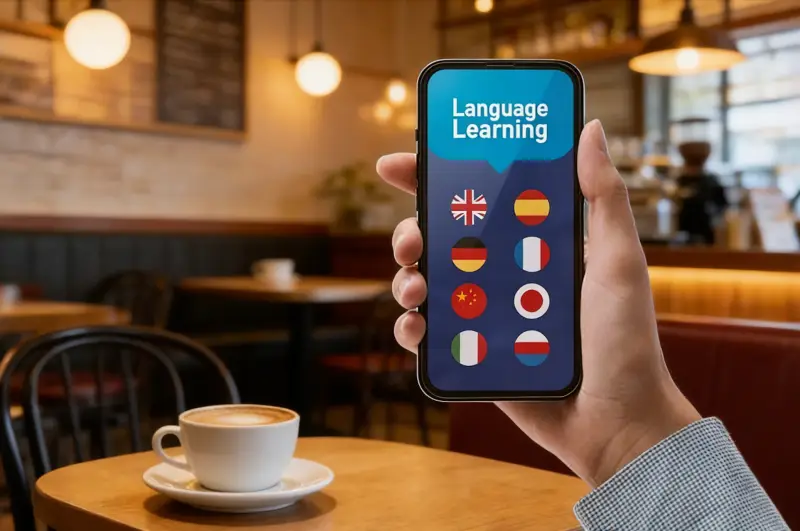
Language learning apps have transformed modern education. What once required classrooms, textbooks, and expensive tutors can now be done from a smartphone. A key reality, however, is that different platforms use fundamentally different teaching systems.
Not all language learning apps teach in the same way.
Some are built around gamified repetition, others follow structured curricula, while some focus on immersion or real-world communication.
A more useful question than "Which app is best?" is:
Which teaching structure and course model aligns best with your learning style?
This guide examines leading language learning platforms by analyzing how they teach, how their courses are structured, and what types of learners they are designed to support.
HelloTalk
Social Language Exchange as a Learning System
Teaching Philosophy: Learn by Communicating with Real People
HelloTalk combines real human interaction with AI-assisted learning to create an efficient language learning environment. The platform emphasizes authentic communication with native speakers while integrating AI tools that support comprehension, correction, and practice. With a global community spanning nearly 200 countries and more than 70 million users, it enables learners to engage in real-world language use across a wide range of contexts. Its recognition through multiple industry awards reflects its integration of social learning and AI-supported education.
Course Structure Breakdown
HelloTalk blends social interaction with structured learning pathways. While it does not rely on a rigid linear curriculum, it provides a flexible system that includes:
- Real-time conversations with native speakers
- Structured Language AI courses from beginner to advanced levels
- One-on-one and small-group live classes with replay options
- Topic-based modules such as daily conversation, workplace communication, and exam preparation
Lessons incorporate audio, video, reading materials, and AI-interactive exercises, allowing learners to study across different formats and schedules.
Teaching Methodology in Practice
HelloTalk uses a hybrid model that combines communication-driven learning with AI-supported practice. Learners engage in real conversations and often receive corrections quickly, reinforcing accuracy through immediate feedback. At the same time, AI tools provide translation, grammar correction, pronunciation scoring, and continuous conversational support.
This system allows learners to:
- Practice real communication
- Receive timely corrections
- Reinforce learning through AI-supported review
Unique Features of the Course Model
- AI-powered translation and grammar correction
- Native-speaker feedback within short response times
- Voice Rooms and live classes available throughout the day
- Multi-format learning including chat, audio, video, and structured courses
Strengths of the Course Model
- Real-world communication opportunities
- Strong support for speaking and writing development
- Flexible and accessible learning formats
- High accessibility with most core features available at no cost
Who Should Use HelloTalk?
- Beginners building speaking confidence
- Intermediate learners improving output
- Learners preparing for exams or professional communication
Duolingo
Gamified Microlearning at Scale
Teaching Philosophy: Learn Through Habit and Gamification
Duolingo applies a gamified approach to encourage consistent learning. Its system focuses on habit formation, short lessons, and reward-based progression.
Course Structure Breakdown
Duolingo organizes content into a structured path consisting of units and short lessons. Each lesson introduces vocabulary, sentence construction, listening exercises, and review tasks.
Teaching Methodology in Practice
The platform emphasizes repetition, pattern recognition, and translation exercises to reinforce learning.
Strengths of the Course Model
- Encourages consistent daily practice
- Short lessons support frequent engagement
- Broad accessibility across languages
- Reinforcement through repetition
Who Should Use Duolingo?
- Beginners
- Casual learners
- Learners building daily study habits
Babbel
Structured Curriculum with Real-World Focus
Teaching Philosophy: Linguist-Designed, Conversation-First Learning
Babbel focuses on structured progression and practical conversation. Its courses are designed by linguists and emphasize real-world usage.
Course Structure Breakdown
Babbel organizes its content into courses, units, and lessons. Each lesson includes vocabulary, dialogue, grammar explanation, and exercises.
Teaching Methodology in Practice
The platform uses dialogue-based learning combined with explicit grammar instruction.
Unique Features of the Course Model
- Structured progression across levels
- Real-life conversation scenarios
- Integrated grammar explanations
- Optional live classes
Strengths of the Course Model
- Clear learning path
- Strong grammar foundation
- Practical language use
- Balanced skill development
Who Should Use Babbel?
- Structured learners
- Adults learning for travel or work
- Learners who prefer clear explanations
Rosetta Stone
Full Immersion Without Translation
Teaching Philosophy: Think in the Target Language
Rosetta Stone uses an immersion-based approach that avoids translation and encourages learners to associate meaning directly with context.
Course Structure Breakdown
The platform organizes lessons into units with image-based vocabulary, listening exercises, and pronunciation practice.
Teaching Methodology in Practice
Learners build understanding through visual association, repetition, and contextual inference.
Unique Features of the Course Model
- TruAccent speech recognition
- No-translation learning system
- Structured progression
Strengths of the Course Model
- Encourages intuitive language thinking
- Supports pronunciation development
- Provides consistent structure
Who Should Use Rosetta Stone?
- Immersion-focused learners
- Learners prioritizing pronunciation
- Long-term learners
Memrise
Vocabulary + Cultural Immersion Hybrid
Teaching Philosophy: Learn Through Memory and Real-Life Exposure
Memrise combines spaced repetition with real-world video content to support vocabulary retention and cultural familiarity.
Course Structure Breakdown
Memrise includes vocabulary sets, native speaker videos, listening exercises, and review sessions.
Teaching Methodology in Practice
It applies spaced repetition, mnemonic aids, and authentic content exposure.
Strengths of the Course Model
- Strong vocabulary retention
- Exposure to authentic accents
- Effective listening development
Who Should Use Memrise?
- Learners focused on vocabulary
- Learners supplementing other platforms
Busuu
Community-Driven Structured Learning
Teaching Philosophy: Learn with Feedback from Native Speakers
Busuu combines structured courses with community feedback.
Course Structure Breakdown
Courses align with CEFR levels and include grammar, vocabulary, and writing exercises.
Teaching Methodology
Learners submit exercises and receive corrections from native speakers.
Strengths
- Real feedback
- Structured curriculum
- Goal-oriented learning
Who Should Use Busuu?
Learners seeking structured progression with feedback
Pimsleur
Audio-First Conversational Training
Teaching Philosophy: Speak First, Understand Through Listening
Pimsleur focuses on audio-based learning and spoken language development.
Course Structure Breakdown
Lessons are delivered through 30-minute audio sessions with gradual progression.
Teaching Methodology
Learners listen, repeat, and recall phrases in guided sequences.
Strengths
- Strong speaking development
- Effective listening training
Who Should Use Pimsleur?
- Audio learners
- Learners focused on pronunciation
Mondly
Visual Learning and Scenario-Based Micro-Courses
Teaching Philosophy: Learn Through Simulation and Context
Mondly uses visual interaction and simulated conversations.
Course Structure Breakdown
Includes daily lessons, topic modules, and interactive dialogues.
Teaching Methodology
Learners practice through chatbot conversations and scenario-based exercises.
Strengths
- Context-based learning
- Interactive design
- Practical phrase usage
Who Should Use Mondly?
- Visual learners
- Beginners focusing on everyday communication
LingQ
Input-Based Learning Through Content Consumption
Teaching Philosophy: Learn Through Comprehensible Input
LingQ emphasizes reading and listening through real content.
Course Structure Breakdown
Provides articles, podcasts, and user-imported materials.
Teaching Methodology
Learners track vocabulary while reading and listening.
Strengths
- Strong reading and listening development
- Exposure to authentic content
Who Should Use LingQ?
Intermediate and advanced learners
italki
Personalized Learning with Human Teachers
Teaching Philosophy: Customized Learning Through One-on-One Instruction
italki connects learners with teachers for personalized lessons.
Course Structure Breakdown
Lessons are customized based on learner goals.
Teaching Methodology
Includes conversation, correction, and targeted exercises.
Strengths
- Personalized instruction
- Real-time feedback
- Flexible pacing
Who Should Use italki?
Learners seeking personalized guidance
Comparative Teaching Model Analysis
| App | Teaching Model | Best For |
|---|---|---|
| HelloTalk | Social + AI + communication | Speaking & real interaction |
| Duolingo | Gamified microlearning | Habit building |
| Babbel | Structured curriculum | Grammar & clarity |
| Rosetta Stone | Immersion | Intuitive learning |
| Memrise | Memory + exposure | Vocabulary |
| Busuu | Structured + feedback | Guided progression |
| Pimsleur | Audio-first | Speaking |
| Mondly | Scenario-based | Practical phrases |
| LingQ | Input-based | Reading/listening |
| italki | Personalized | Fluency |
Frequently Asked Questions
Which language learning app is best for speaking practice?
Apps that emphasize real interaction tend to support speaking development most effectively. Platforms like HelloTalk and italki provide opportunities for real-time communication and feedback, which are important for improving fluency and confidence.
Can one app fully replace a traditional language course?
Most language learning apps focus on specific aspects of learning, such as vocabulary, speaking, or listening. While some platforms offer structured courses, combining multiple tools often provides a more balanced approach that includes input, practice, and feedback.
The Ultimate Learning Strategy (What Actually Works)
The most effective approach is to combine different learning models:
Phase 1: Foundation
Duolingo + Babbel
Phase 2: Expansion
Memrise + LingQ
Phase 3: Activation
Pimsleur + HelloTalk
Phase 4: Mastery
italki
Final Conclusion
Different language learning apps are designed with different teaching philosophies. Selecting the right platform depends on learning goals, preferred structure, and desired outcomes.
Final Thought
Language learning involves understanding, communication, and consistent practice. Choosing tools that align with these elements can support long-term progress.